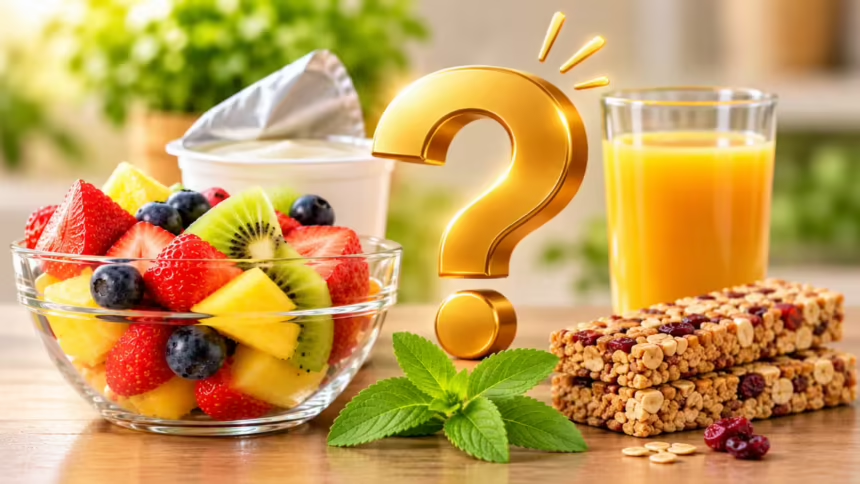
Protein bars, sugar-free drinks and snacks marketed as healthy may seem like better options, but you need to take a closer look at their ingredients. Some contain sweeteners that replace sugar or reduce the amount used. Understanding the different types of sweeteners and their role in food can help consumers make informed dietary choices.
What are Artificial Sweeteners, and Why are they Used?
Artificial sweeteners are ingredients used to give foods and drinks a sweet taste while reducing or replacing sugar. They are commonly found in sugar-free drinks, desserts, chewing gum and other packaged foods. Some sweeteners are synthetic, while others, such as steviol glycosides, come from plants.
According to the US Food and Drug Administration (FDA), high-intensity sweeteners are much sweeter than sugar, so only small amounts may be needed. Although they can help reduce the sugar content of a product, this does not automatically make the entire product nutritious.
Are Artificial Sweeteners Bad for Your Health?
Not necessarily. The effects depend on the type of sweetener, the amount consumed and the overall diet. Food safety authorities assess approved sweeteners to determine whether they are safe for use under specified conditions.
Replacing sugar with non-sugar sweeteners does not necessarily lead to better health or long-term weight loss. The World Health Organisation (WHO) advises against relying on these sweeteners for weight control or reducing the risk of diet-related diseases. This recommendation does not mean that all non-sugar sweeteners are unsafe; rather, their expected benefits for weight management and disease prevention may be limited.
Food labels also need to be scrutinised. Claims such as “sugar-free” and “low-calorie” do not tell the whole story. Checking the ingredient list and nutrition panel, including sugar, saturated fat and calorie content, provides a clearer picture of a product’s nutritional value.
What is the Difference Between Stevia and Sucralose?
Stevia-based sweeteners and sucralose both provide sweetness without relying on regular sugar, but they differ in origin and production. Steviol glycosides are sweet compounds extracted and purified from the leaves of the Stevia rebaudiana plant. Sucralose, on the other hand, is produced by modifying the structure of sugar and is commonly used as a substitute in foods and drinks.
A sweetener’s natural or synthetic origin alone does not determine whether it is the better choice. The type of ingredient, the amount consumed and the overall dietary pattern are all relevant when considering its place in a balanced diet.
How Can Consumers Make Better Choices When Buying Healthy Snacks?
A few simple habits can make it easier to assess the nutritional value of packaged foods:
- Read the ingredient list: Check for sweeteners and other ingredients rather than relying solely on claims printed on the packaging.
- Check the nutrition panel: A sugar-free product may still contain ingredients that affect its overall nutritional value.
- Pay attention to portion sizes: A product labelled “healthy” can still contribute excess calories when consumed in large quantities.
- Include less-sweetened options: Unsweetened drinks and whole fruits can be part of a balanced diet.
A Quality-Tested Sugar Alternative
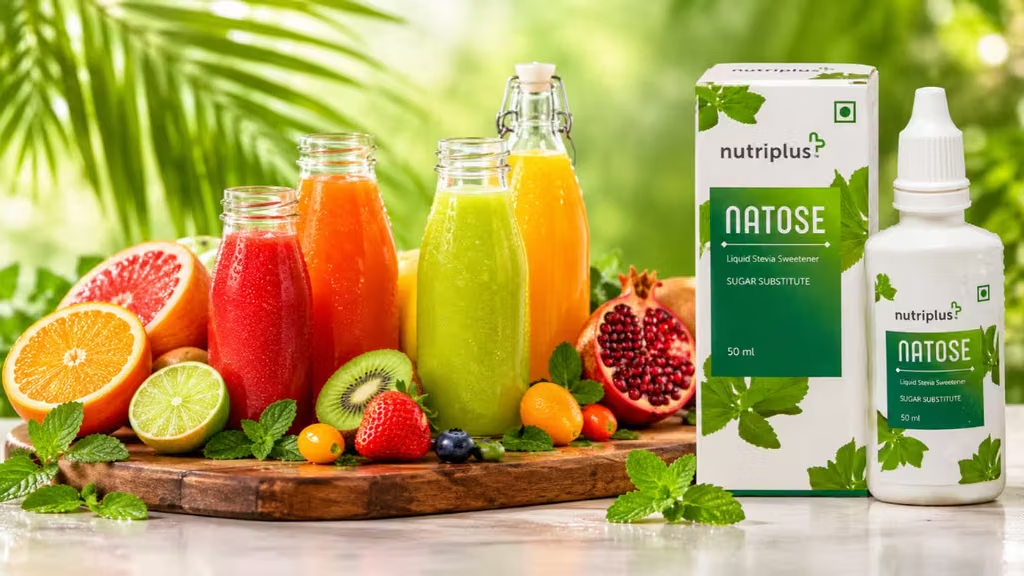
Nutriplus Natose Stevia is a QNET India product made with a liquid sweetener extracted from stevia leaves. It is a vegetarian, calorie-free option without artificial flavours.
Natose Stevia can be used to sweeten drinks and certain recipes without adding regular sugar. It easy to incorporate into everyday beverages and selected recipes. Whether it is a morning cup of tea, an afternoon coffee or a homemade dessert, Natose Stevia can be used as an alternative to regular sugar. As it is much sweeter than sugar, only a small quantity may be needed.
For more information on stevia and its uses, read What Is Stevia?.
Making Sense of Sweeteners
Sweeteners are only one part of a healthy diet. Rather than judging ingredients based on whether they are natural or artificial, it is important to consider the overall nutritional value of a product. Checking the ingredient list, portion size, sugar content and calories can help provide a clearer picture of what a product offers and whether it is a suitable choice as part of a balanced diet.
Also read: Surprising Health Benefits of Stevia Drops